Uganda Gorilla Permits: The Ultimate Complete Booking Guide for an Unforgettable Gorilla Trekking Experience
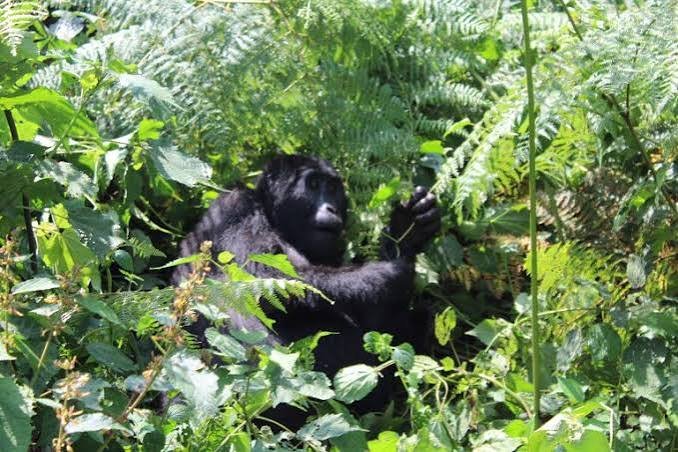
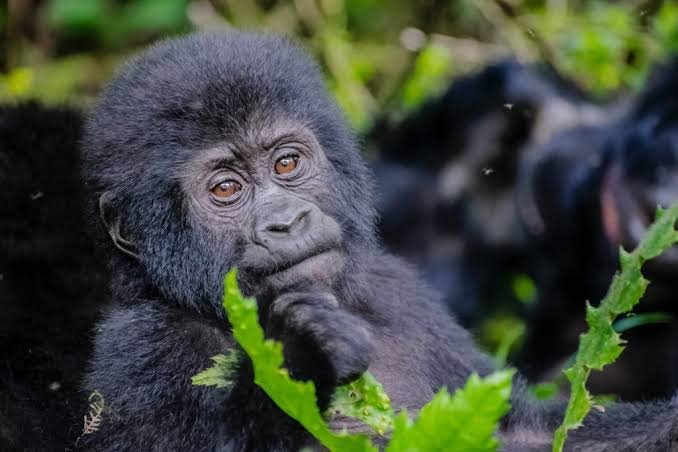
Uganda Gorilla Permits are the essential travel documents required for visitors who want to experience the extraordinary adventure of encountering endangered mountain gorillas in their natural habitat. Deep within the ancient rainforests of southwestern Uganda, mountain gorillas live in protected family groups surrounded by towering trees, mist-covered valleys, thick vegetation, and breathtaking landscapes. Watching these remarkable primates interact in the wild is widely regarded as one of Africa’s most memorable wildlife experiences. However, before entering the forest for a guided gorilla trek, every eligible visitor must secure an official permit issued by the Uganda Wildlife Authority. Understanding how these permits work, where to purchase them, how much they cost, and when to book is essential for planning a successful gorilla trekking safari.
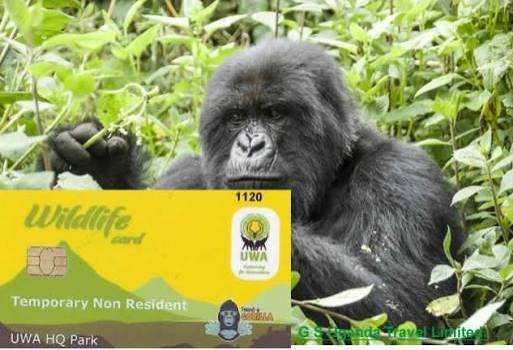
Uganda Gorilla Permits provide regulated access to mountain gorilla trekking experiences in Bwindi Impenetrable National Park and Mgahinga Gorilla National Park. These two protected destinations offer travelers the opportunity to observe mountain gorillas living freely in their natural environment under the supervision of experienced wildlife rangers and professional trackers. Unlike ordinary national park entrance tickets, gorilla permits are issued for specific trekking dates and locations, with strict visitor limits designed to minimize disturbance to the animals. Consequently, securing a permit should be one of the earliest decisions when organizing a Uganda gorilla trekking holiday, particularly for travelers visiting during popular safari seasons.
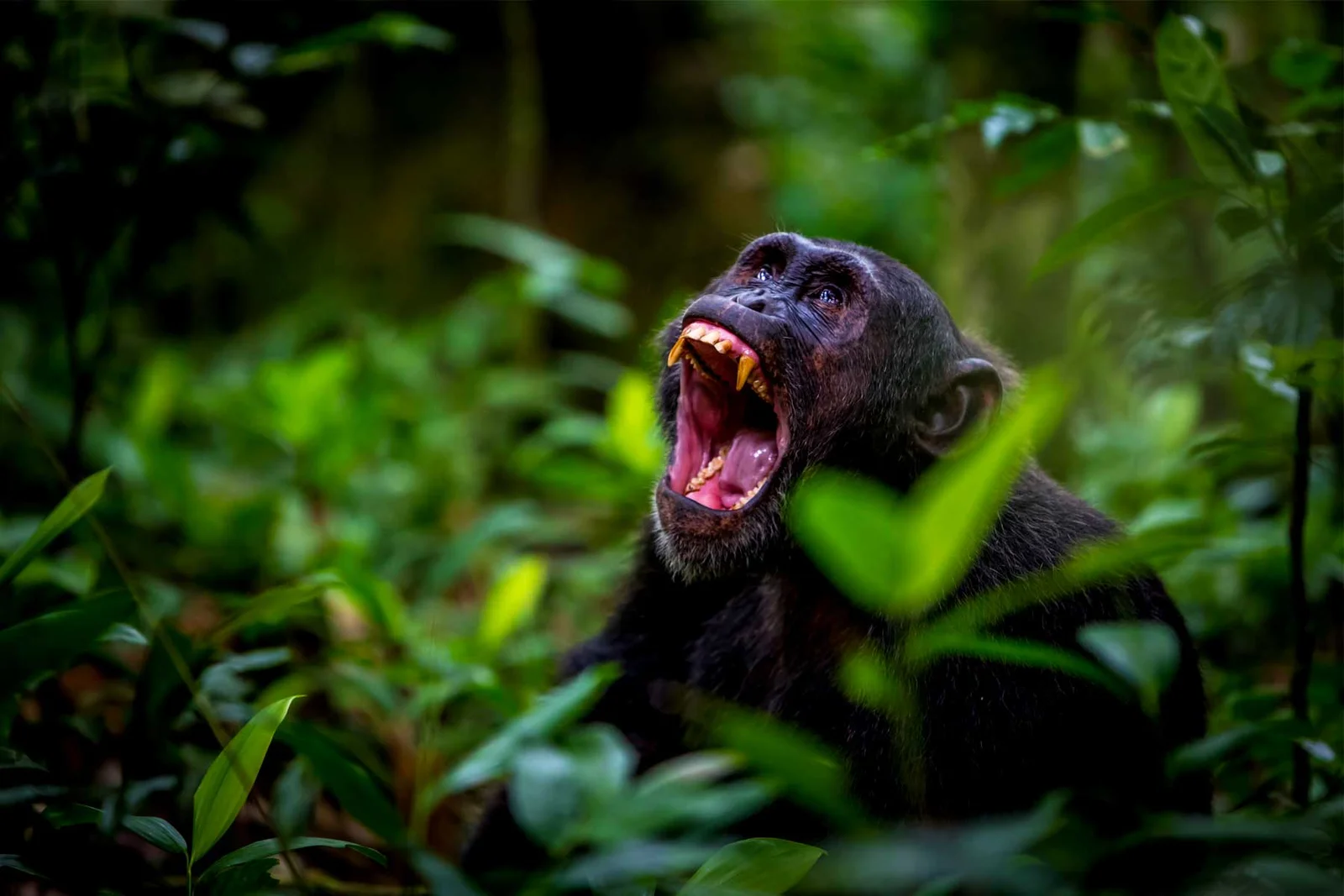
The demand for Uganda Gorilla Permits comes from wildlife enthusiasts, photographers, honeymooners, conservation supporters, families with eligible travelers, and adventure seekers traveling from different parts of the world. Uganda offers a particularly rewarding experience because visitors can combine mountain gorilla trekking with chimpanzee tracking, traditional wildlife safaris, birdwatching, cultural encounters, and scenic journeys through some of East Africa’s most beautiful landscapes. Whether you are planning a short gorilla trekking excursion from Kigali, a luxury fly-in safari from Entebbe, or an extended Uganda wildlife adventure, understanding the permit booking system helps you make informed decisions and avoid unnecessary travel complications.
This comprehensive guide explains everything travelers should know about Uganda Gorilla Permits, including official costs, reservation procedures, permit availability, booking eligibility, trekking destinations, gorilla habituation experiences, payment requirements, cancellations, seasonal considerations, accommodation planning, and the conservation value of responsible gorilla tourism. It also explains the important permit pricing and reservation changes introduced during 2026, together with the announced tariff adjustments beginning on January 1, 2027. With proper preparation and accurate booking information, travelers can organize their gorilla trekking adventures confidently while contributing directly to the protection of one of the world’s most extraordinary endangered primates.
What Are Uganda Gorilla Permits and Why Are They Required?
Uganda Gorilla Permits are official authorizations issued by the Uganda Wildlife Authority, the government organization responsible for managing Uganda’s national parks and protecting wildlife within designated conservation areas. A gorilla trekking permit allows an eligible visitor to participate in a supervised trek to locate a habituated mountain gorilla family and spend up to one hour observing the animals once the group has been reached. The permit is valid for the approved activity, trekking date, and location, and it must be verified before the visitor enters the forest. A traveler cannot legally substitute an ordinary park entrance ticket for a gorilla trekking permit, even when accommodation has already been booked near the national park.
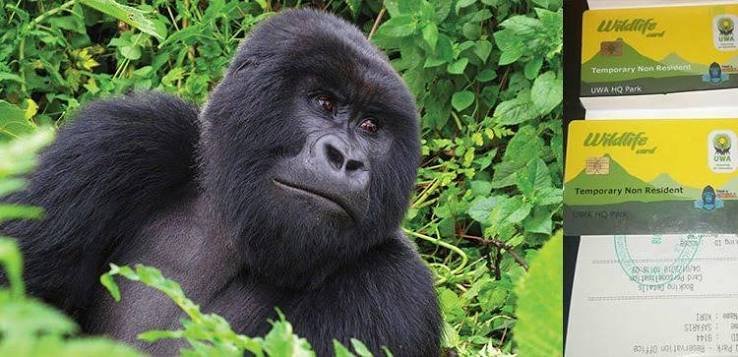
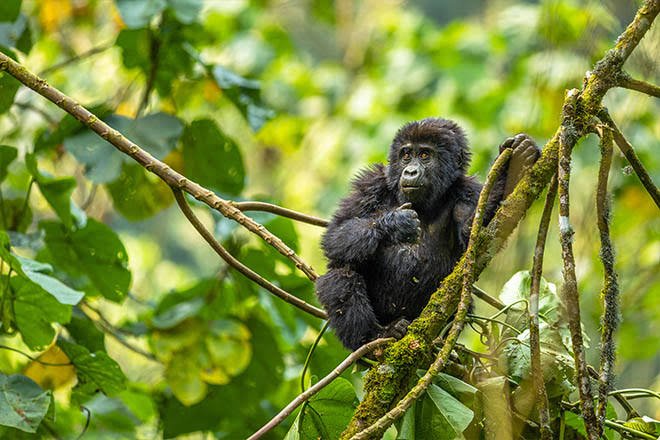
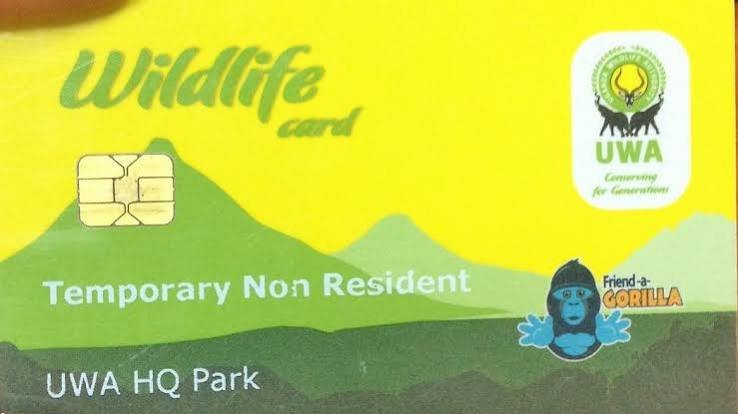
The primary purpose of Uganda Gorilla Permits is to ensure that tourism activities remain consistent with mountain gorilla conservation requirements. Mountain gorillas are sensitive to human disturbance and susceptible to certain infectious diseases transmitted by people. Allowing unrestricted visitor access could create unnecessary stress, alter natural behavior, damage sensitive habitats, and increase the risk of disease transmission. The permit system therefore controls the number of people visiting each habituated gorilla family, organizes ranger-supervised tracking activities, and helps maintain a responsible balance between wildlife tourism and conservation.
Permit fees also contribute to the management and protection of Uganda’s wildlife resources. Revenue generated through gorilla tourism supports activities associated with wildlife monitoring, ranger operations, habitat management, conservation programs, and neighboring communities. Uganda’s regulated approach demonstrates how carefully managed tourism can support the long-term survival of endangered wildlife while creating economic opportunities for people living near protected forests. Every visitor who purchases an authorized gorilla permit therefore becomes part of a wider conservation effort rather than simply purchasing admission to a wildlife attraction.
How Much Do Uganda Gorilla Permits Cost?
The cost of Uganda Gorilla Permits depends on the traveler’s nationality, residency classification, permit category, and intended trekking date. Under the Uganda Wildlife Authority’s published standard rates applicable in 2026, a gorilla trekking permit costs USD 800 per person for foreign non-residents, USD 700 for qualifying foreign residents, USD 500 for visitors classified under the Rest of Africa category, and UGX 300,000 for eligible East African Community citizens. These rates apply to ordinary mountain gorilla trekking in Bwindi Impenetrable National Park and Mgahinga Gorilla National Park. Travelers should understand that permit prices are established by the Uganda Wildlife Authority rather than individual safari companies, although a tour operator may charge separately for arranging transportation, accommodation, and other safari services.
An important development for Uganda Gorilla Permits occurred on February 26, 2026, when the Uganda Wildlife Authority announced discounted low-season gorilla trekking rates. Under this arrangement, eligible foreign non-resident travelers can obtain permits for USD 600 during April, May, and November, while qualifying foreign residents pay USD 500. These discounted permits offer significant savings for travelers with flexible holiday schedules, although the authority specifically states that low-season permits cannot be rescheduled. The same announcement confirmed that the regular gorilla trekking price for foreign non-residents remains USD 800 from January 1, 2027. Travelers planning future safaris should verify applicable seasonal rates and visitor classifications before making payments, since announced changes can affect the total cost of a booking.
What Is Included in the Cost of a Uganda Gorilla Trekking Permit?
Uganda Gorilla Permits cover the essential conservation-related services associated with an authorized gorilla trekking activity. The official permit fee includes the guided gorilla tracking experience, the national park entrance fee for the designated trekking day, and a contribution toward community development. Professional Uganda Wildlife Authority personnel accompany visitors into the forest, providing direction, monitoring gorilla movements, and enforcing conservation regulations. When the gorilla family is located, visitors are normally permitted to spend up to one hour observing the animals from the required safe distance. This carefully controlled viewing opportunity is the central attraction covered by a standard gorilla trekking permit.
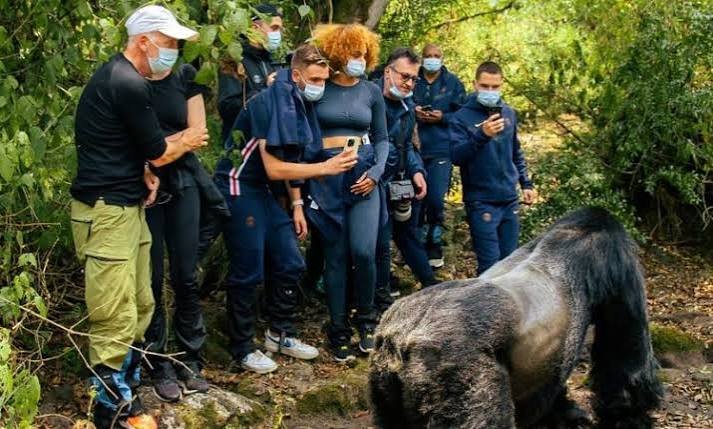
Although Uganda Gorilla Permits include the official tracking activity, they do not automatically cover accommodation, private safari transportation, domestic flights, international travel, meals, personal equipment, porter services, or gratuities. These expenses must be budgeted separately unless they are included within a comprehensive safari package. Visitors should therefore distinguish between the official permit price and the overall cost of a Uganda gorilla trekking holiday. A traveler booking independently may purchase the authorized permit through the appropriate channel and organize other arrangements separately, while travelers using licensed safari operators can combine the permit with accommodation, ground transportation, and professional travel coordination.
Where Can You Use Uganda Gorilla Permits?
Uganda Gorilla Permits are issued for authorized trekking activities within two major mountain gorilla destinations in southwestern Uganda. Bwindi Impenetrable National Park is the country’s principal gorilla trekking destination, famous for its extensive montane rainforest, remarkable biodiversity, and several habituated mountain gorilla families. The park is divided into four main trekking sectors known as Buhoma, Ruhija, Rushaga, and Nkuringo. Each sector has designated briefing locations, accommodation options, and access routes. Understanding the difference between these areas is particularly important because booking accommodation near one sector does not necessarily provide convenient access to another.
Buhoma, situated in northern Bwindi, is one of the park’s established gorilla trekking locations and is particularly suitable for itineraries combining gorilla trekking with wildlife exploration in Queen Elizabeth National Park. Ruhija, located in the eastern part of Bwindi, is characterized by elevated forest landscapes and rewarding birdwatching opportunities. Rushaga, in southern Bwindi, accommodates gorilla trekking activities and the specialized gorilla habituation experience. Nkuringo offers dramatic scenery, steep forested hillsides, and excellent opportunities for travelers seeking an adventurous trekking experience. When purchasing Uganda Gorilla Permits, travelers should establish exactly which sector has availability before finalizing their accommodation arrangements, since road transfers between distant sectors may require several hours.
Gorilla Trekking Permits for Mgahinga Gorilla National Park
Mgahinga Gorilla National Park provides an alternative destination for visitors interested in encountering mountain gorillas within the spectacular Virunga volcanic landscape. Situated near Kisoro in southwestern Uganda, this relatively small national park features bamboo forests, mountainous terrain, and remarkable views of the surrounding volcanoes. Gorilla trekking in Mgahinga offers a distinctive setting, combining wildlife exploration with dramatic scenery and opportunities to experience other attractions, including golden monkey tracking and guided mountain activities.
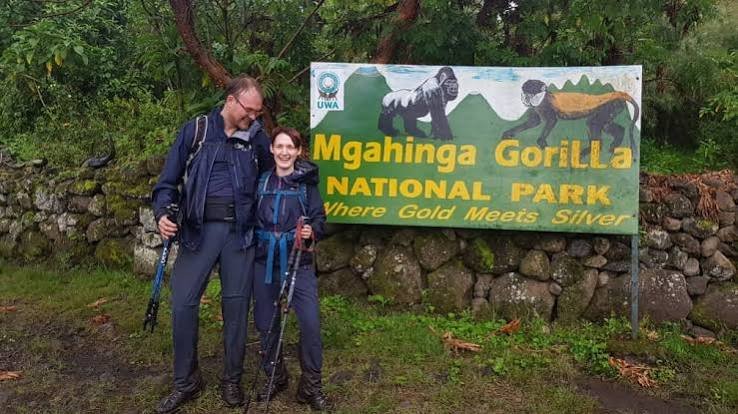
Uganda Gorilla Permits for Mgahinga follow the official Uganda Wildlife Authority pricing structure, although permit availability is more limited than in Bwindi. The park typically has a smaller daily allocation of gorilla trekking places, making advance arrangements especially important. Travelers selecting Mgahinga should coordinate their permits with suitable accommodation around Kisoro or the park’s access routes. Although the gorillas live within a transboundary mountain ecosystem, a Uganda-issued permit only authorizes the designated Ugandan tracking activity and cannot be used for gorilla trekking in neighboring Rwanda or the Democratic Republic of Congo.
How to Book Uganda Gorilla Permits Successfully
Booking Uganda Gorilla Permits begins with selecting your preferred trekking date, identifying the desired national park or Bwindi trekking sector, and checking official permit availability. The Uganda Wildlife Authority manages the reservation system, with booking access determined by the visitor’s category. Under its published purchase guidelines, foreign non-resident travelers must obtain gorilla permits through tour operators licensed by the Uganda Tourism Board. Qualifying foreign residents and East African Community citizens may purchase permits directly from the Uganda Wildlife Authority through approved reservation procedures. Travelers using a safari operator should verify that the company holds the appropriate tourism license before sharing payment information.
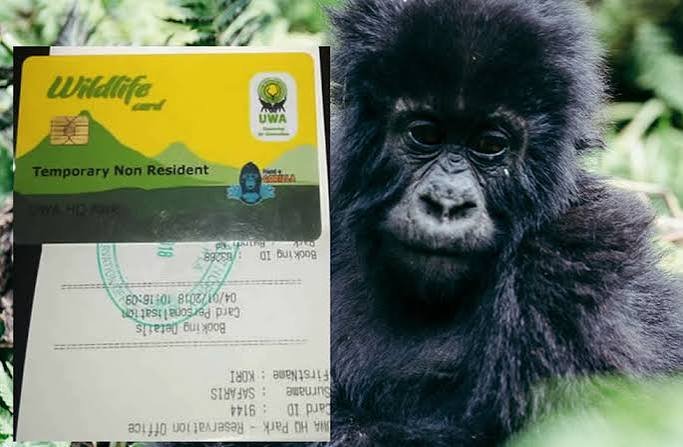
Once availability has been established, the reservation process requires accurate traveler identification details and payment through an authorized channel. The Uganda Wildlife Authority discontinued its previous seven-day unpaid permit reservation window effective March 1, 2026. Consequently, Uganda Gorilla Permits are secured only after full payment is completed at the time of booking. Travelers should not assume that a verbal confirmation, provisional itinerary, or unpaid reservation guarantees their desired trekking date. After successful payment, official reservation documentation and receipts should be obtained and checked carefully. This documentation helps confirm that the permit has been properly secured and assigned to the intended traveler, date, and location.
Documents Required When Booking Gorilla Trekking Permits
Travelers arranging Uganda Gorilla Permits should provide identification details that correspond accurately with their valid travel documents. These typically include the traveler’s full name, nationality, passport information, and other details required for official registration. Visitors requesting resident or regional citizen rates must also provide appropriate proof of eligibility for the selected category. Incorrect names, mismatched identification details, or unsupported residency classifications may create complications during booking or verification at the park. It is therefore advisable to examine all information carefully before the permit is purchased, especially when booking for several travelers.
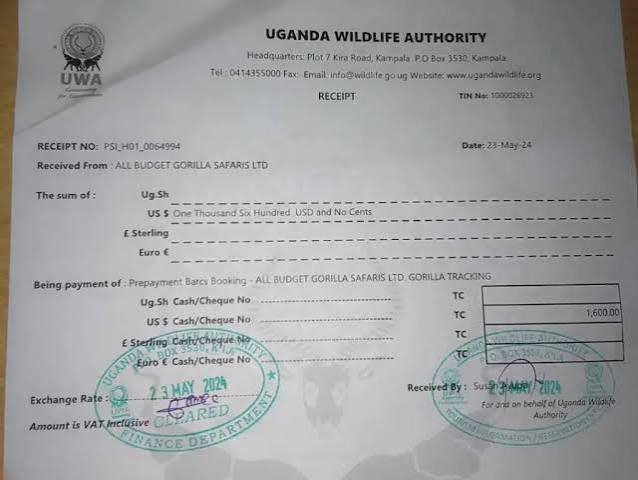
On the morning of the trek, Uganda Wildlife Authority personnel verify visitor documents against the official reservation records before allowing participation. Travelers should carry the identification used during booking and retain their permit confirmation in an accessible format. International visitors must also ensure that their immigration documents meet Uganda’s entry requirements, which are separate from the requirements for gorilla trekking. Purchasing Uganda Gorilla Permits does not replace the need for a valid passport, any required visa, or compliance with applicable public health and immigration regulations.
When Should You Book Uganda Gorilla Permits?
The best time to book Uganda Gorilla Permits is as early as possible after confirming your intended travel period. For popular holiday periods and months associated with favorable trekking conditions, making arrangements approximately six to twelve months in advance can provide more flexibility when selecting dates, trekking locations, and accommodation. This is particularly important for honeymooners, family groups, photographers, and travelers with limited flexibility in their schedules. Because visitor numbers are restricted for each habituated gorilla family, securing several permits for the same date may become more difficult as availability decreases.
Travelers planning shorter-notice holidays can still inquire about Uganda Gorilla Permits, since availability varies according to the specific date, location, and existing reservations. However, last-minute permits should never be assumed to be available without official confirmation. If the preferred date is unavailable, adjusting the trekking day, considering another Bwindi sector, or exploring Mgahinga may provide suitable alternatives. Travelers should ideally secure their permits before committing to non-refundable accommodation, domestic flights, or complicated cross-border transfers.
Best Time of Year to Book Gorilla Trekking Permits in Uganda
Uganda Gorilla Permits are available throughout the year, allowing visitors to experience mountain gorilla trekking during different climatic seasons. June through September and December through February are generally popular periods because conditions are often relatively drier, making forest paths somewhat easier to navigate. During these months, visitors may experience more comfortable walking conditions, although rainfall remains possible at any time within Uganda’s mountain forests. The popularity of these periods can also increase competition for desirable trekking dates and accommodation close to park briefing points.
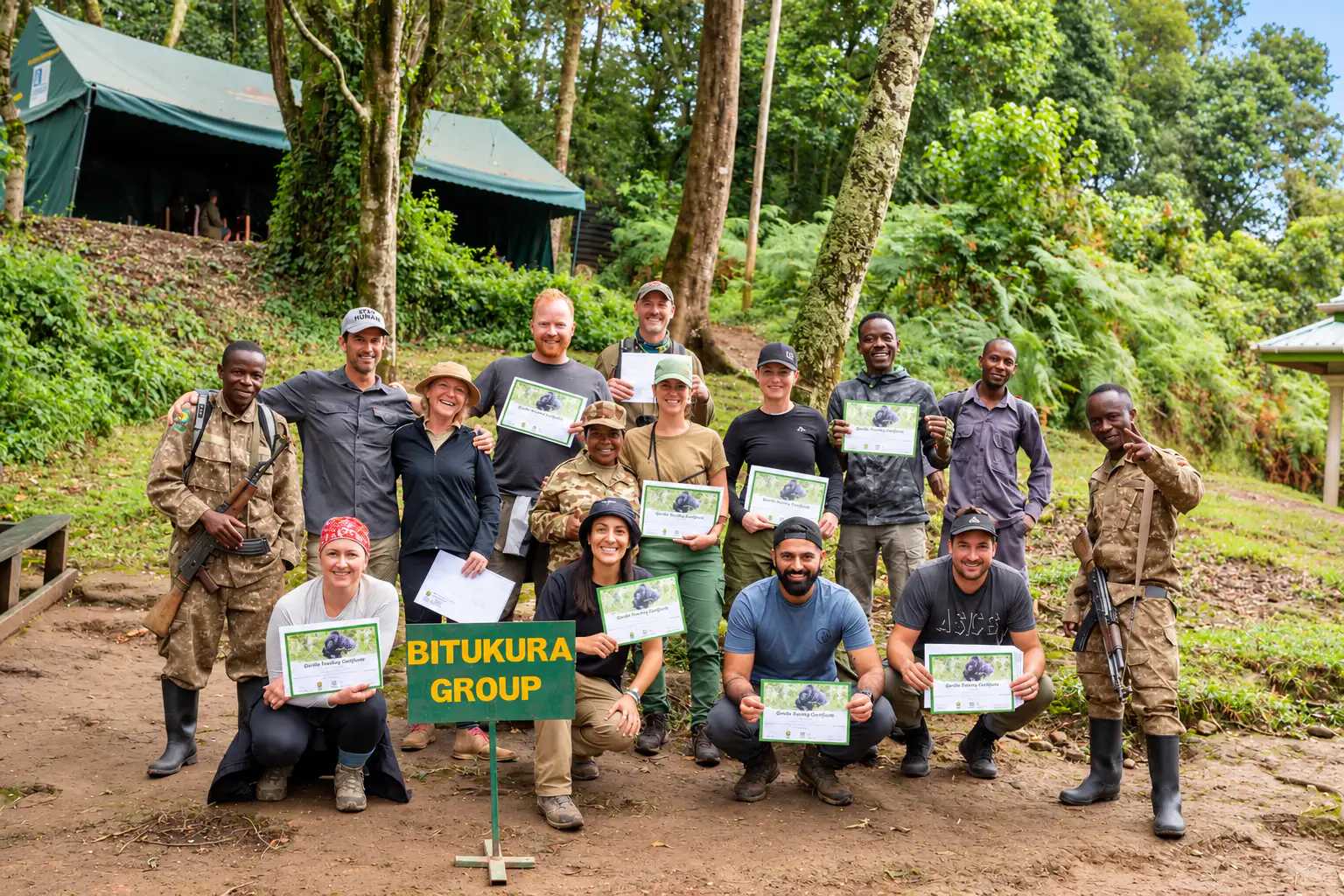
April, May, and November can be attractive months for travelers seeking a quieter atmosphere and eligible discounted permit rates. During wetter periods, the forest becomes exceptionally lush, with mist drifting across the mountain slopes and vegetation displaying vibrant shades of green. However, muddy trails, slippery slopes, and unpredictable rainfall may make some treks more physically demanding. Travelers comparing Uganda Gorilla Permits across different seasons should consider both price and their comfort with changing weather conditions. The best time ultimately depends on personal travel preferences, physical preparedness, available permits, and the type of wider safari experience being planned.
Gorilla Trekking Permits Versus Gorilla Habituation Permits
Uganda Gorilla Permits are available for different authorized gorilla experiences, with standard gorilla trekking being the most familiar option. During a standard trek, visitors follow experienced trackers and rangers through the forest until they locate a habituated gorilla family. Once the family has been reached, visitors are allowed a maximum of one hour of observation. This experience provides an extraordinary opportunity to watch mountain gorillas feeding, resting, grooming, and interacting within their natural environment. Standard trekking is particularly suitable for travelers who want a memorable wildlife encounter without committing to the extended observation period associated with habituation.
The gorilla habituation experience is a more specialized activity conducted in the Rushaga area of Bwindi Impenetrable National Park. It allows eligible visitors to spend up to four hours observing a gorilla family undergoing the gradual process of becoming accustomed to controlled human presence. The activity involves conservation personnel and offers a different perspective on gorilla behavior and wildlife monitoring. Under the published 2026 tariff, a habituation permit costs USD 1,500 for foreign non-residents, while a Uganda Wildlife Authority announcement confirms an increase to USD 1,800 beginning January 1, 2027. The announced 2027 rate for qualifying foreign residents is USD 1,600, while the Rest of Africa and East African Community habituation categories are listed at USD 1,000 and UGX 750,000 respectively. Travelers should confirm the exact applicable fee and availability before booking.
How to Travel to Bwindi and Mgahinga After Securing Your Permits
Once Uganda Gorilla Permits have been confirmed, the next important consideration is arranging transportation to the correct trekking destination. Most international travelers arriving through Entebbe International Airport continue to southwestern Uganda by road or domestic air transfer. Road journeys offer the opportunity to experience Uganda’s countryside, traditional communities, rolling hills, and scenic landscapes, although the driving distances are substantial. Travelers should plan sufficient time for the journey and avoid scheduling a demanding gorilla trek immediately after a long international flight or exhausting road transfer.
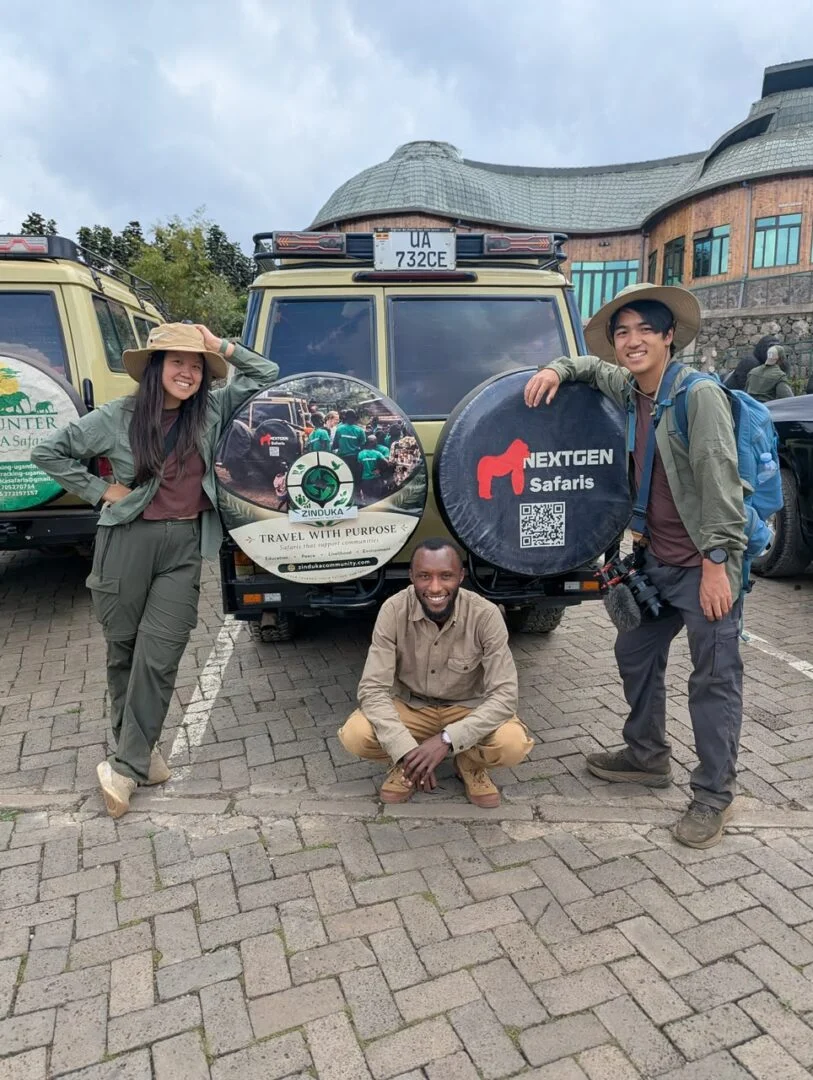
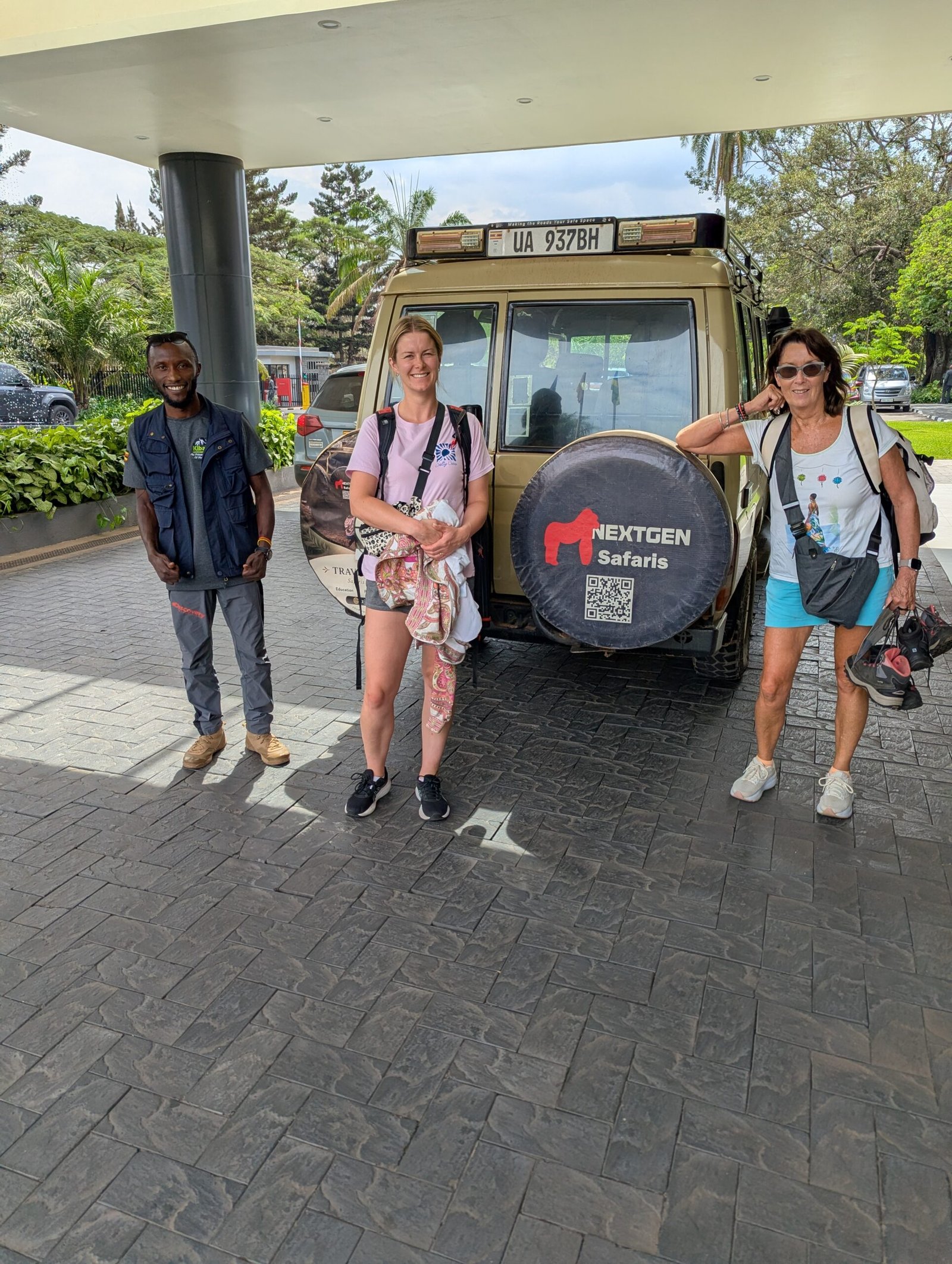
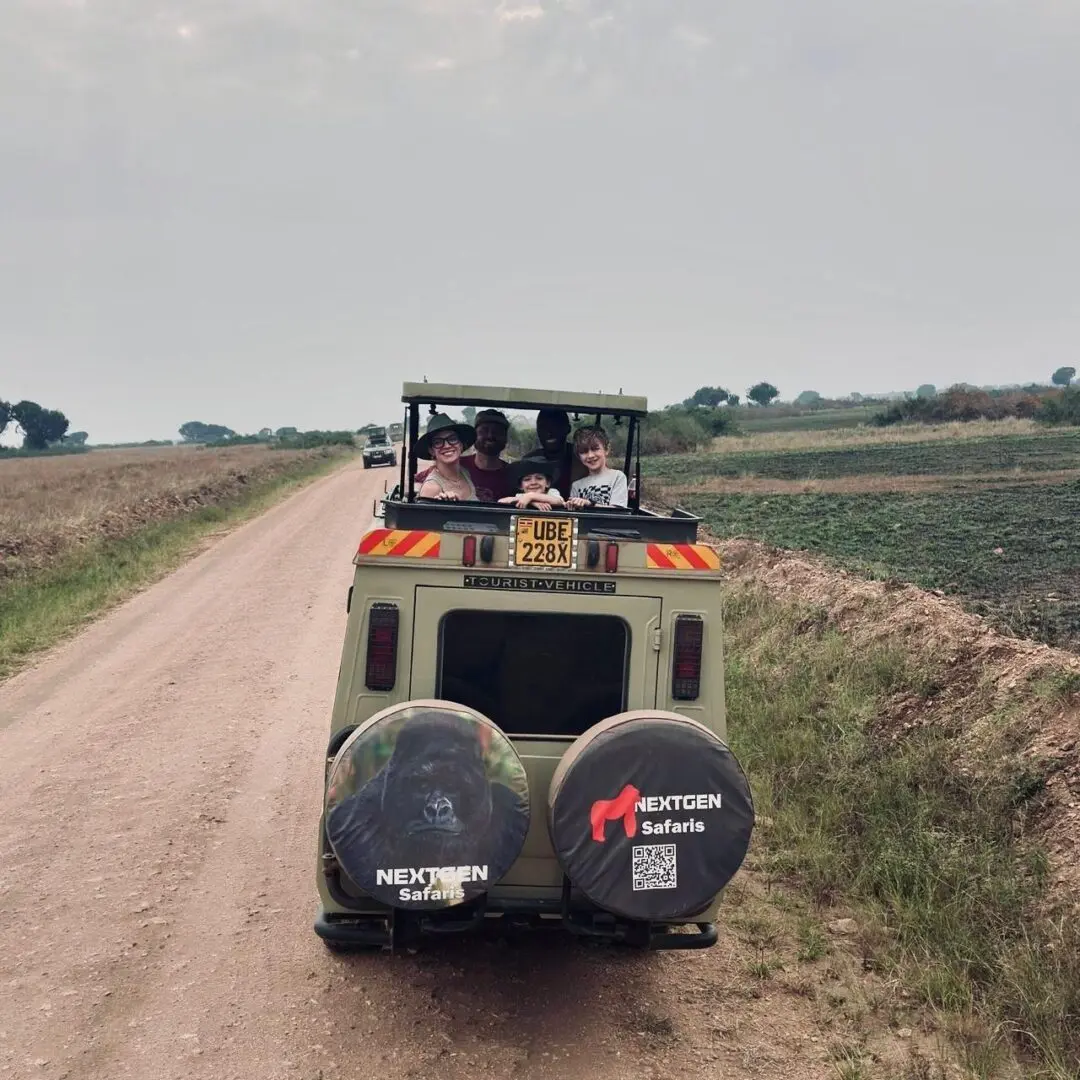
Domestic flights can provide a convenient alternative for travelers with limited time or those seeking a more comfortable luxury safari experience. Scheduled air services to airfields such as Kihihi and Kisoro can reduce the overland portion of the journey, although additional road transportation is generally necessary to reach the accommodation and trekking briefing location. Uganda Gorilla Permits should be coordinated with flight schedules because a permit for northern Bwindi may require different transport arrangements from one allocated to southern Bwindi. Some visitors also choose to enter Uganda from Kigali, Rwanda, through designated border crossings, particularly when trekking in southern Bwindi or Mgahinga. These itineraries require careful planning of border formalities, driving times, and the correct national park location.
Gorilla Permit Cancellation, Refunds, and Rescheduling Policies
Understanding cancellation conditions before purchasing Uganda Gorilla Permits is essential because travel plans sometimes change unexpectedly. Under the Uganda Wildlife Authority’s published July 2024 guidelines, ordinary permit cancellation requests received at least 61 days before the tracking date may qualify for a refund of 75% of the amount paid, subject to approval and deductions for applicable incidental costs. Requests submitted between 46 and 60 days before trekking may qualify for a 50% refund, while cancellations made between 15 and 45 days before the trekking date may qualify for 25%. Requests received within 14 days of the trekking date are generally not eligible for refunds. These conditions should be reviewed against the specific booking and any subsequent policy amendments.
The same guidelines provide limited opportunities to reschedule qualifying permits, subject to availability and applicable conditions. A first permitted reschedule may be processed without an additional rescheduling fee, while a second reschedule attracts a surcharge of 25% of the permit value. Late requests may also attract additional charges, and previously rescheduled permits generally become ineligible for refunds. Importantly, the discounted low-season Uganda Gorilla Permits introduced in February 2026 cannot be rescheduled. Exceptional circumstances, including medically confirmed illness at the park or an unsuccessful full-day tracking attempt, are covered by separate provisions and require official assessment. Travelers should obtain current written terms before purchasing permits and consider travel insurance that provides suitable protection for unforeseen disruptions.
Age Requirements and Gorilla Trekking Regulations
Uganda Gorilla Permits are available only to visitors who meet the minimum participation age of 15 years. This requirement reflects conservation considerations and the physical and behavioral responsibilities involved in tracking endangered mountain gorillas. Visitors must follow ranger instructions throughout the experience, maintain the required distance from gorillas, and avoid behavior that may disturb the animals. Flash photography is prohibited, and travelers are not permitted to eat, drink, or smoke while observing the gorillas. People displaying symptoms of infectious illness must inform the responsible personnel, since mountain gorillas can be vulnerable to diseases transmitted by humans.
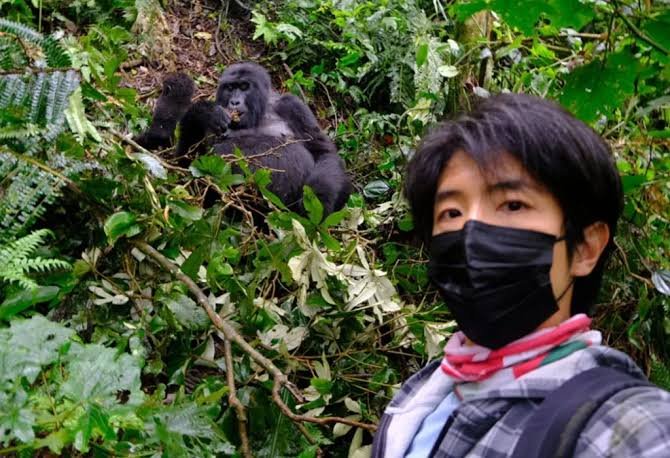
A standard gorilla trekking group is generally limited to eight visitors per habituated gorilla family, helping reduce disturbance and maintain controlled observation conditions. Uganda Gorilla Permits do not guarantee that a particular gorilla family will be encountered within a fixed walking distance, since the animals move naturally through their protected habitat. Rangers and trackers use their experience to locate gorilla families while prioritizing the safety of visitors and the welfare of wildlife. Travelers should approach the experience with patience, respect, and an understanding that encountering wild animals is fundamentally different from visiting animals in captivity.
Physical Fitness and Preparation for Gorilla Trekking
Although purchasing Uganda Gorilla Permits provides access to the official trekking activity, visitors should also prepare for the physical demands of walking through tropical mountain forests. Gorilla trekking routes can involve uneven ground, steep hillsides, thick vegetation, muddy sections, and changing weather conditions. The duration of a trek varies significantly depending on the location of the gorilla family, trail conditions, and the pace of the group. Some encounters may require relatively short walks, while others involve several hours of hiking through challenging terrain. Travelers do not need to be professional mountaineers, but reasonable mobility and preparation can make the experience considerably more comfortable.
Suitable walking boots, long trousers, lightweight long-sleeved clothing, rain protection, drinking water, and appropriate personal supplies can help visitors enjoy the forest environment. Hiring a local porter can also be beneficial, particularly when carrying equipment or navigating demanding sections of the trail. Travelers with mobility limitations or medical concerns should discuss their circumstances with their safari operator and relevant park personnel before booking. Uganda Gorilla Permits should be selected alongside realistic expectations about the trekking activity, allowing visitors to prepare properly rather than focusing exclusively on securing the earliest available date.
Additional Expenses to Consider When Booking Uganda Gorilla Permits
The official permit fee represents only part of the overall cost of a gorilla trekking safari. Travelers should also budget for accommodation near their designated trekking sector, transportation between destinations, meals, international flights, travel insurance, and other activities included in their itinerary. The amount spent on accommodation varies considerably, from modest forest guesthouses and comfortable midrange lodges to exclusive luxury properties overlooking the spectacular landscapes of southwestern Uganda. Private transportation and domestic flights may also influence the final cost, particularly when the itinerary includes destinations beyond the gorilla trekking area.
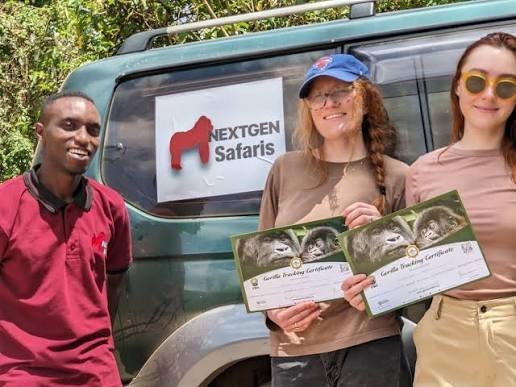
Travelers organizing Uganda Gorilla Permits as part of a broader safari may choose to combine the experience with chimpanzee tracking in Kibale National Park, wildlife viewing in Queen Elizabeth National Park, or relaxation around Lake Bunyonyi. These additional destinations can transform a short gorilla trekking excursion into an extended Uganda wildlife holiday. However, each activity has its own booking requirements, transportation considerations, and potential expenses. A carefully prepared safari quotation should therefore distinguish clearly between official permit fees, accommodation charges, transport services, optional experiences, and other costs so that travelers understand what is included before confirming their arrangements.
Common Mistakes to Avoid When Booking Gorilla Permits
One of the most common mistakes travelers make when organizing Uganda Gorilla Permits is reserving accommodation before checking the location of available permits. Bwindi Impenetrable National Park covers a mountainous landscape with several geographically separated trekking sectors, and traveling between them can be considerably more complicated than expected. A lodge advertised as being close to Bwindi may not be conveniently situated for the particular trekking sector shown on a visitor’s permit. Confirming the trekking location before choosing accommodation helps prevent early morning travel difficulties, unnecessary transfers, and the possibility of arriving late for the official briefing.
Another important mistake is relying on unofficial permit sellers, assuming that an unpaid reservation is secure, or providing incomplete traveler information. Uganda Gorilla Permits should be arranged through authorized booking channels, and foreign non-resident visitors should use appropriately licensed tour operators. Travelers must also understand that discounted or promotional permits may carry different conditions from ordinary permits. Checking the legitimacy of a booking company, obtaining official confirmation, and reviewing cancellation policies can substantially reduce avoidable problems. A properly organized reservation gives travelers greater confidence that their desired gorilla trekking experience has been secured under the correct conditions.
How Uganda Gorilla Permits Support Mountain Gorilla Conservation
The conservation importance of Uganda Gorilla Permits extends well beyond the individual trekking experience. Mountain gorillas depend on the continued protection of their forest habitats, effective wildlife law enforcement, scientific monitoring, veterinary support, and cooperation with communities living near protected areas. Revenue generated through regulated wildlife tourism helps Uganda maintain important conservation activities while demonstrating the economic value of protecting endangered species. Uganda Wildlife Authority also operates a revenue-sharing framework through which qualifying neighboring communities benefit from national park tourism income and related conservation initiatives.
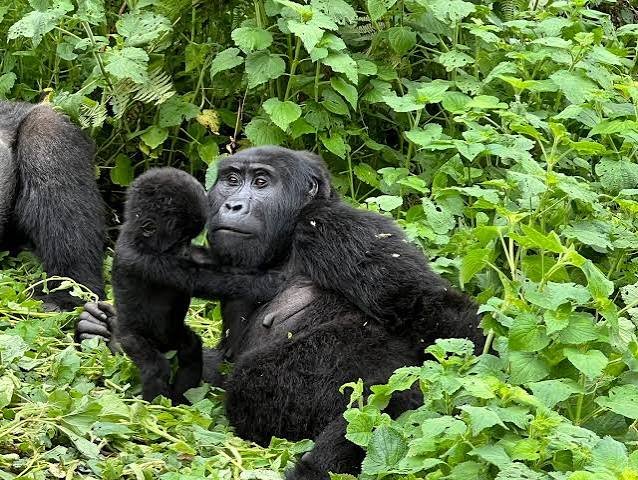
When local communities benefit from gorilla tourism, conservation can create opportunities associated with employment, guiding, accommodation services, transportation, handicrafts, and community development. Uganda Gorilla Permits therefore connect the travel industry with a broader conservation economy in which protecting mountain gorillas can also support livelihoods. Responsible visitors contribute further by following park regulations, respecting local customs, supporting ethical tourism businesses, and recognizing that the welfare of wildlife must always come before photographic opportunities or personal convenience.
Frequently Asked Questions About Uganda Gorilla Permits
Can I Buy Uganda Gorilla Permits Directly From the Uganda Wildlife Authority?
Direct purchase depends on the visitor’s classification. Uganda Wildlife Authority’s published guidelines require foreign non-resident travelers to book through Uganda Tourism Board-licensed operators, while qualifying foreign residents and East African Community citizens may purchase permits directly using approved reservation arrangements. Every visitor should ensure that the permit is officially issued and fully paid for before considering the reservation confirmed.
Are Uganda Gorilla Permits Available Throughout the Year?
Yes. Mountain gorilla trekking takes place throughout the year in Bwindi Impenetrable National Park and Mgahinga Gorilla National Park, subject to operational conditions and available permits. Different seasons offer different travel advantages, with relatively drier periods generally attracting strong demand and selected wetter months offering opportunities for discounted permits.
Can I Use One Gorilla Permit for Multiple Trekking Days?
No. Standard Uganda Gorilla Permits authorize one designated gorilla trekking activity on the approved date. Travelers who want to experience gorilla trekking on separate days must obtain the appropriate additional permits. This arrangement provides an opportunity to visit different gorilla families or explore different sectors, subject to official allocation and availability.
Is Gorilla Trekking Guaranteed After Purchasing a Permit?
A confirmed permit authorizes participation in the designated gorilla trekking activity, but it cannot absolutely guarantee that a wild gorilla family will be encountered. Uganda Wildlife Authority trackers work to locate habituated groups, and successful sightings are generally expected, although gorilla movements and forest conditions remain unpredictable. The authority has special provisions for situations where an authorized full-day tracking effort does not result in an encounter.
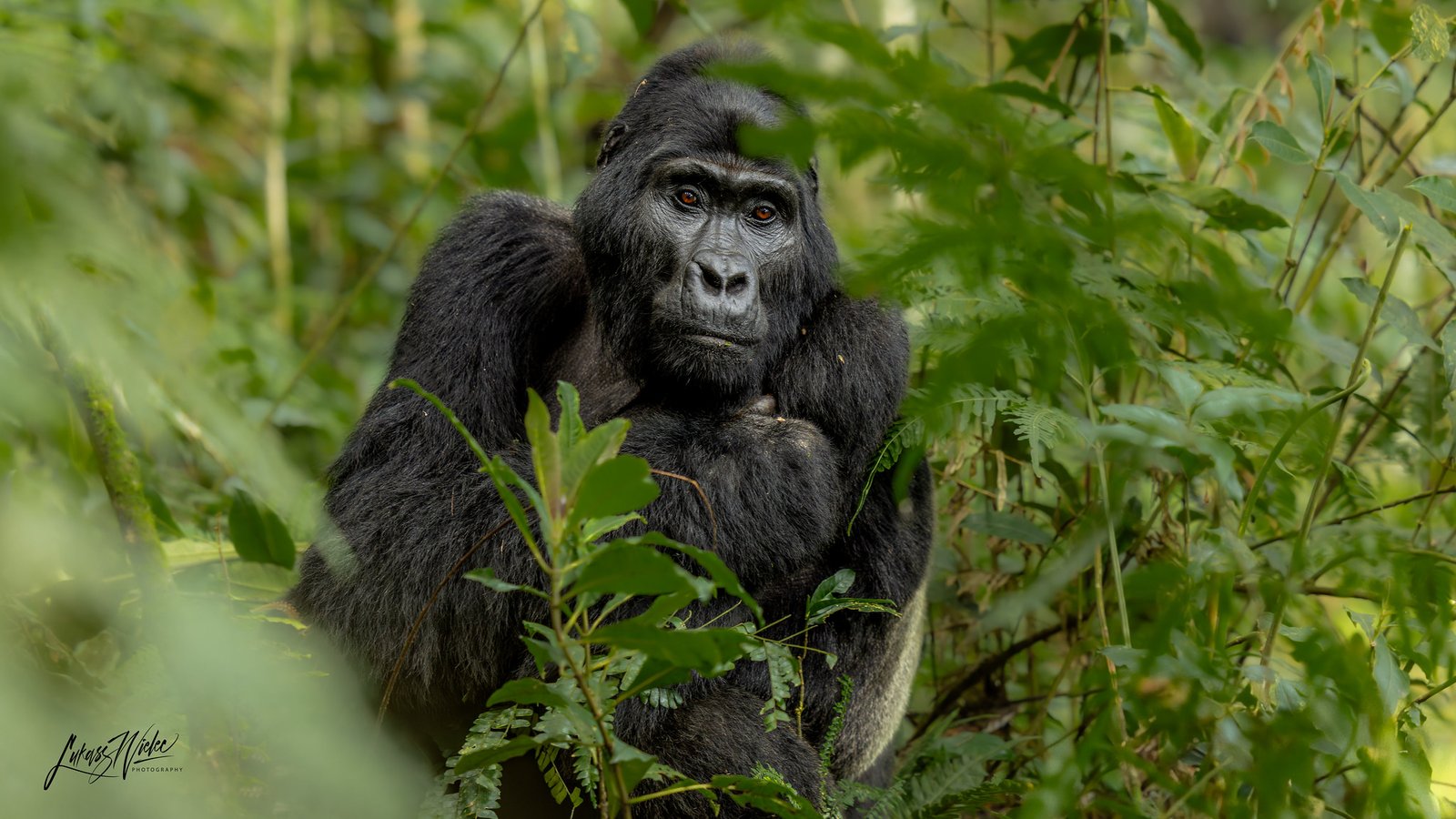
How Long Can Visitors Stay With Mountain Gorillas?
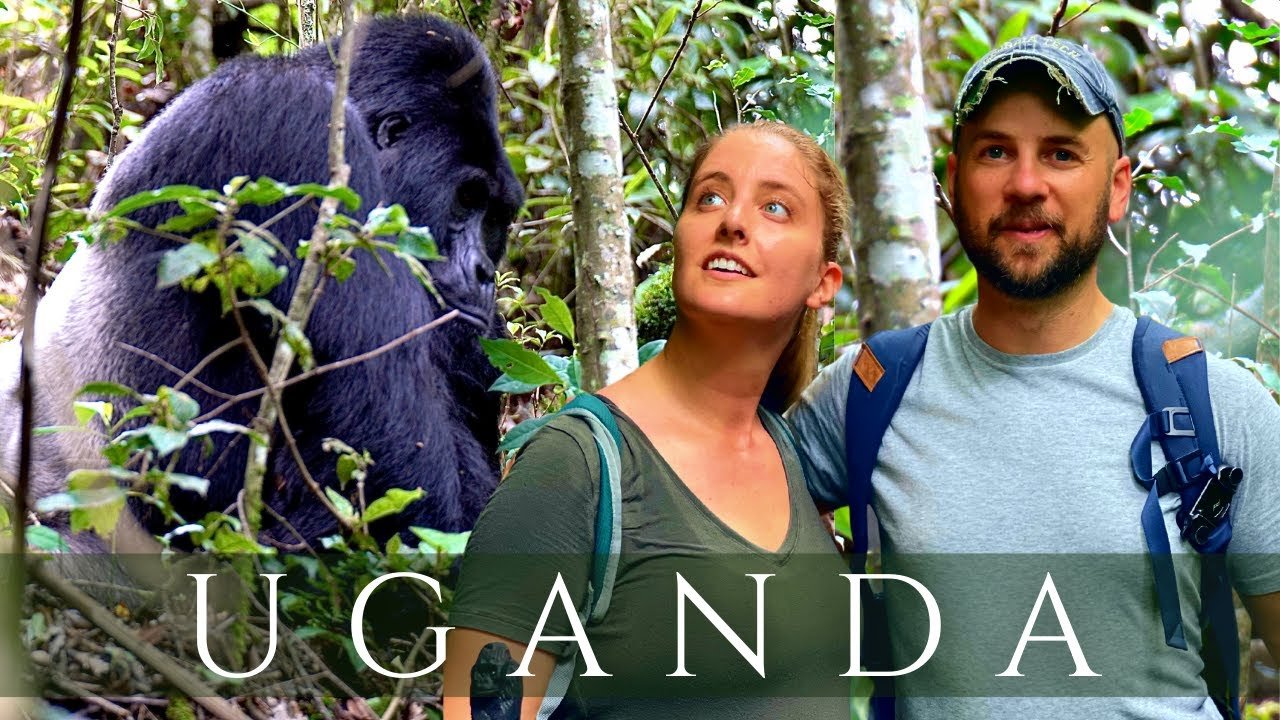
Visitors holding standard Uganda Gorilla Permits are normally allowed up to one hour with a habituated mountain gorilla family once it has been located. Travelers participating in an authorized gorilla habituation experience may spend up to four hours observing a family undergoing habituation, subject to the activity’s particular conservation rules and instructions.
Final Advice for Booking Uganda Gorilla Permits
Securing Uganda Gorilla Permits is the foundation of a successful mountain gorilla trekking safari. By understanding the official reservation process, choosing an appropriate trekking destination, reviewing the current permit prices, and preparing for the physical demands of the forest, travelers can organize their adventures with greater confidence. Booking early is particularly valuable for popular travel periods, while flexible travelers may benefit from exploring different trekking sectors, alternative dates, and applicable low-season opportunities.
The most rewarding gorilla trekking journeys begin with careful planning and a genuine appreciation for wildlife conservation. Uganda Gorilla Permits provide far more than permission to enter a protected forest; they create an opportunity to observe endangered mountain gorillas in their natural environment while supporting the long-term protection of their habitat. Whether your journey takes you into the ancient rainforest of Bwindi or the volcanic landscapes of Mgahinga, securing the correct permit and making thoughtful travel arrangements will help transform your Uganda gorilla trekking adventure into an unforgettable experience.