Understanding the Uganda Gorilla Trekking Permit Rules and Regulations is essential for every traveler planning to encounter endangered mountain gorillas in Uganda. Gorilla trekking is one of Africa’s most extraordinary wildlife experiences, attracting international visitors to the ancient rainforests of Bwindi Impenetrable National Park and the spectacular volcanic landscapes of Mgahinga Gorilla National Park. However, these encounters are carefully regulated by the Uganda Wildlife Authority (UWA) to protect mountain gorillas, preserve their natural habitats, and ensure responsible wildlife tourism.
The Uganda Gorilla Trekking Permit Rules and Regulations establish specific requirements concerning visitor eligibility, authorized permits, trekking group sizes, wildlife viewing distances, photography, health precautions, and visitor behavior. Every traveler must follow these guidelines regardless of nationality, accommodation category, or safari package. Understanding the regulations before arriving at the national park helps prevent unnecessary complications and contributes directly to mountain gorilla conservation.
1. Every Visitor Must Have a Valid Gorilla Trekking Permit
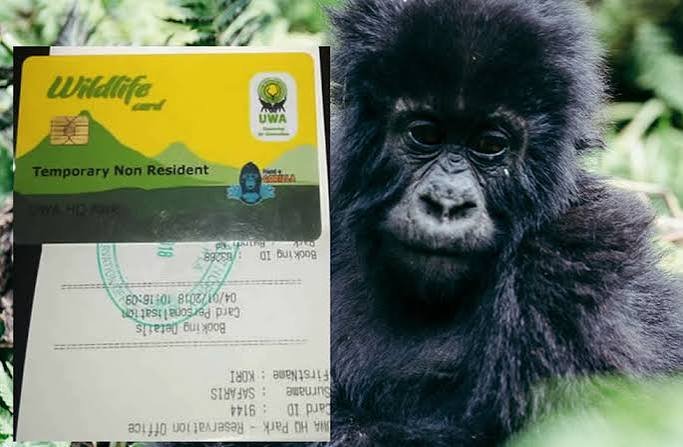
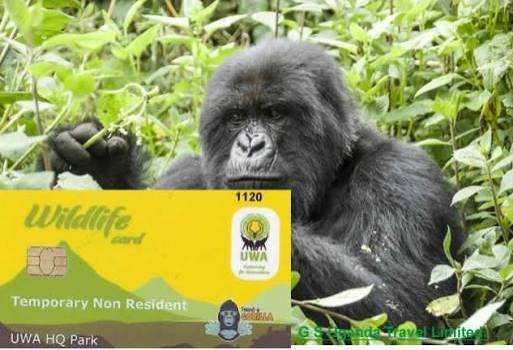
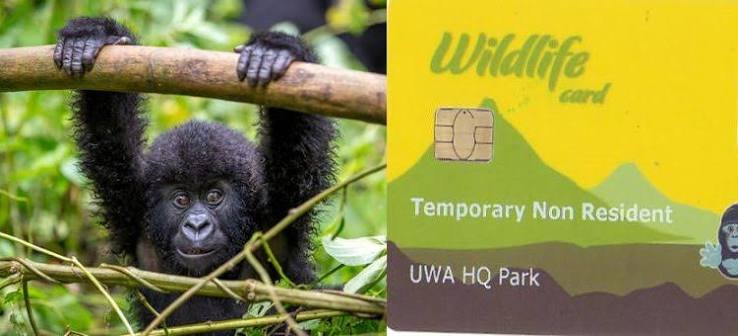
One of the fundamental Uganda Gorilla Trekking Permit Rules and Regulations requires every eligible visitor to obtain a valid gorilla trekking permit issued by the Uganda Wildlife Authority. A permit authorizes participation in a guided gorilla trekking activity on a specified date and through a designated trekking entry point. Travelers cannot enter the protected rainforest independently to search for mountain gorillas without official authorization.
Foreign non-resident travelers must book their gorilla trekking permits through tour operators licensed by the Uganda Tourism Board. Visitors should ensure their permit reservation is officially confirmed before finalizing accommodation and transportation arrangements. During the trekking briefing, park authorities may verify identification documents, reservation information, and official payment records. A safari booking confirmation alone should never be mistaken for an authorized gorilla trekking permit.
2. Minimum Age Requirement for Gorilla Trekking
The Uganda Gorilla Trekking Permit Rules and Regulations establish a minimum participation age of 15 years for mountain gorilla trekking in Uganda. This requirement applies to both Bwindi Impenetrable National Park and Mgahinga Gorilla National Park, including visitors traveling with their families.
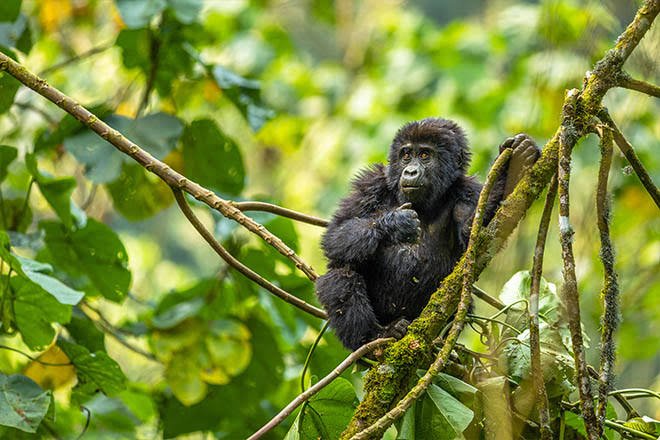
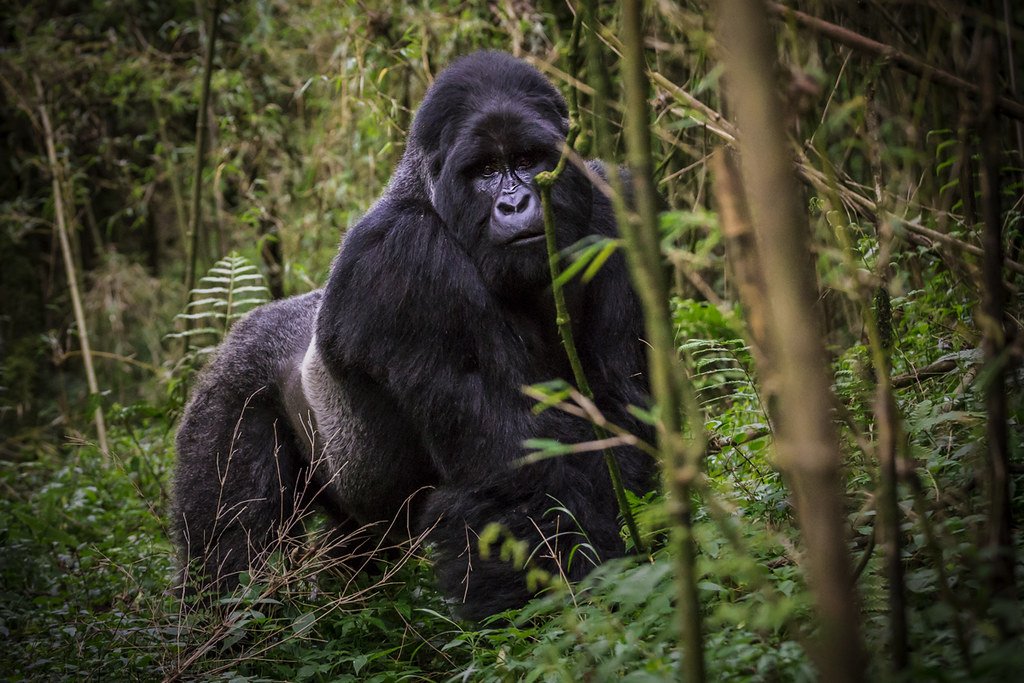
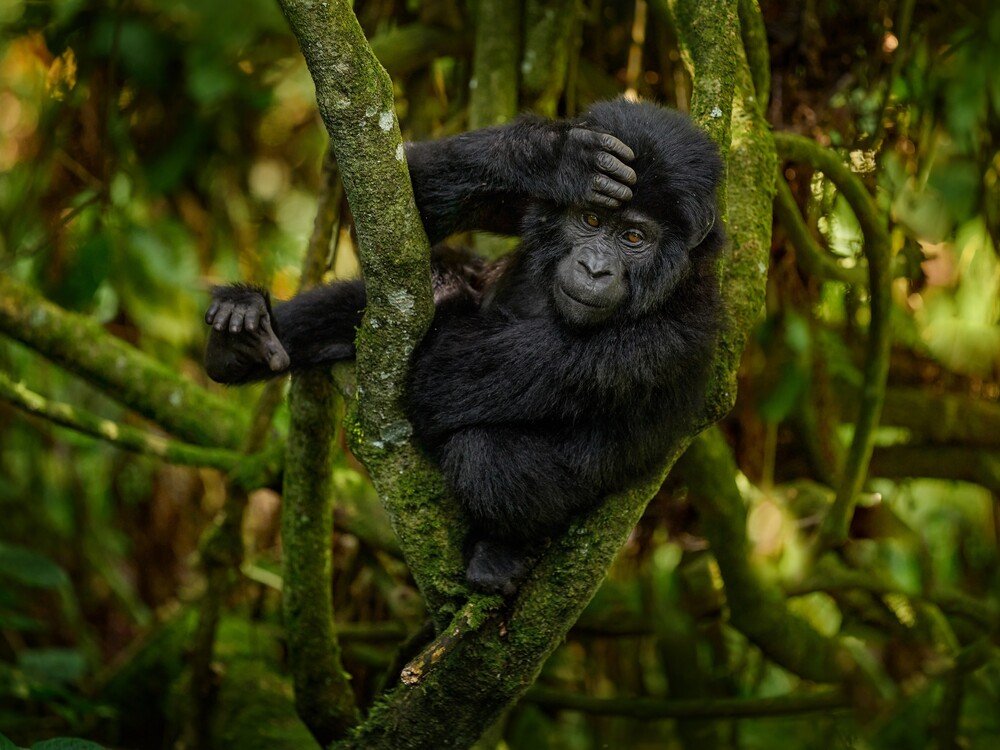
The restriction reflects the physical challenges associated with trekking through mountainous rainforest terrain and the importance of protecting endangered gorillas from potentially infectious human illnesses. Some trekking routes involve steep hillsides, muddy trails, thick vegetation, and unpredictable weather conditions. Families traveling with younger children should arrange appropriate alternative activities while eligible adults participate in the gorilla trekking adventure. Travelers should verify every participant’s age before purchasing permits.
3. Maximum Number of Visitors per Gorilla Family
An important conservation measure under the Uganda Gorilla Trekking Permit Rules and Regulations limits standard trekking groups to a maximum of eight visitors per habituated gorilla family. Uganda Wildlife Authority rangers organize visitors into manageable groups to reduce disturbance and maintain appropriate supervision during wildlife encounters.
Visitors are normally assigned to specific gorilla families during the pre-trekking briefing rather than selecting individual gorilla families when purchasing permits. Group allocation may consider operational circumstances and visitor needs. Restricting group sizes minimizes noise, crowding, and prolonged human presence around sensitive gorilla populations. It also allows travelers to observe mountain gorillas within a carefully managed environment while respecting their natural behavior.
4. One-Hour Gorilla Viewing Regulation
The Uganda Gorilla Trekking Permit Rules and Regulations allow standard gorilla trekking visitors a maximum of one hour observing a habituated mountain gorilla family after the gorillas have been located. The time required to reach the gorilla family is separate from this observation period and varies depending on terrain, weather, and the movements of the animals.
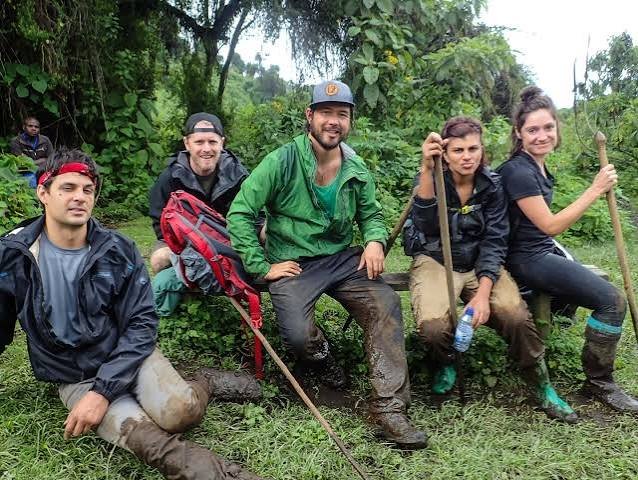
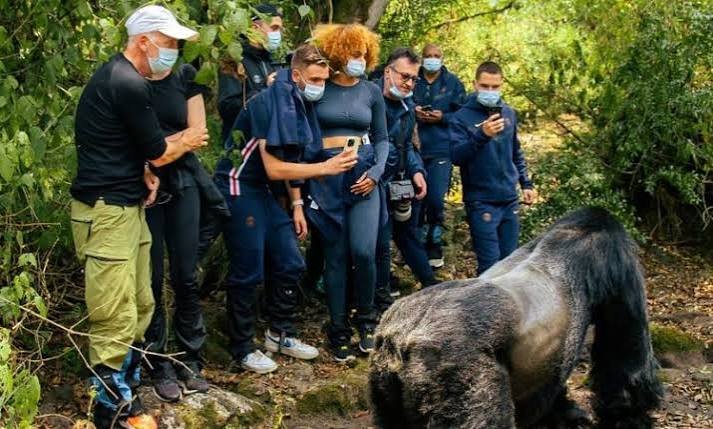
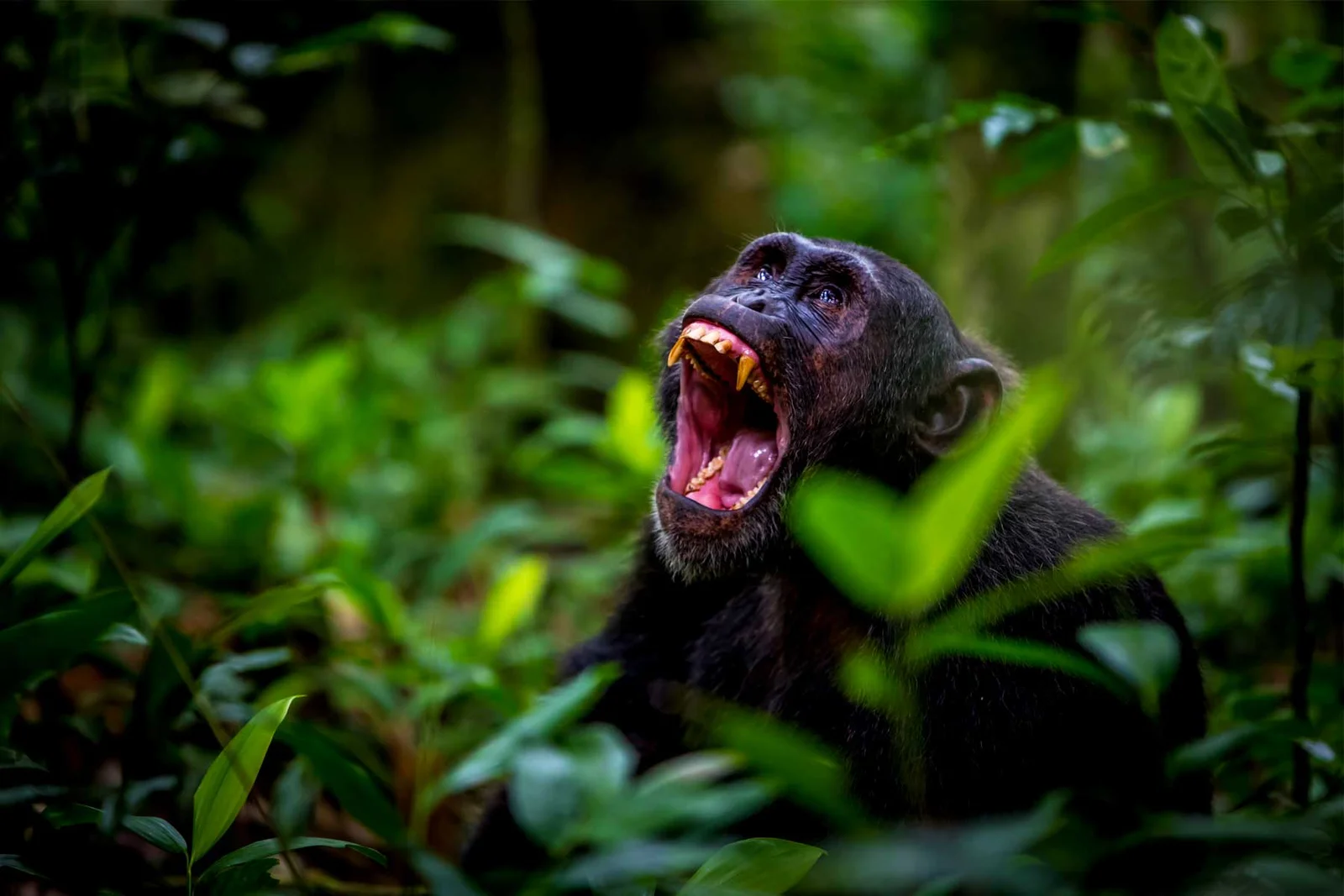
Once visitors encounter the gorillas, Uganda Wildlife Authority guides manage the observation period and ensure the group follows conservation guidelines. During this hour, travelers may observe feeding, grooming, resting, interactions between family members, and other natural behaviors. When the authorized viewing period ends, visitors must leave the gorillas peacefully under the direction of their ranger guides. Additional observation time cannot be assumed simply because reaching the gorillas required a lengthy trek.
5. Maintain a Safe Distance From Mountain Gorillas
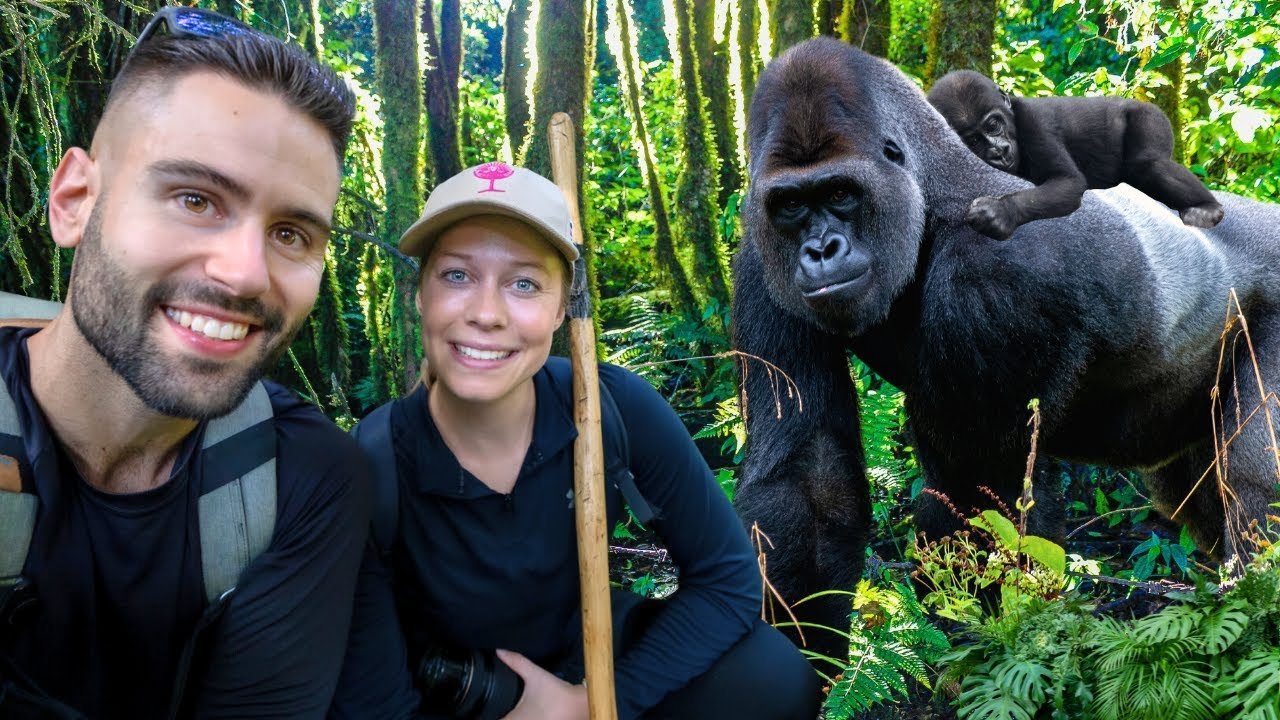
Maintaining an appropriate distance is among the most important Uganda Gorilla Trekking Permit Rules and Regulations. Uganda Wildlife Authority’s published conservation rules specify a minimum distance of 10 meters (approximately 33 feet) between visitors and mountain gorillas. This precaution helps reduce disease transmission and prevents unnecessary disturbance to the animals.
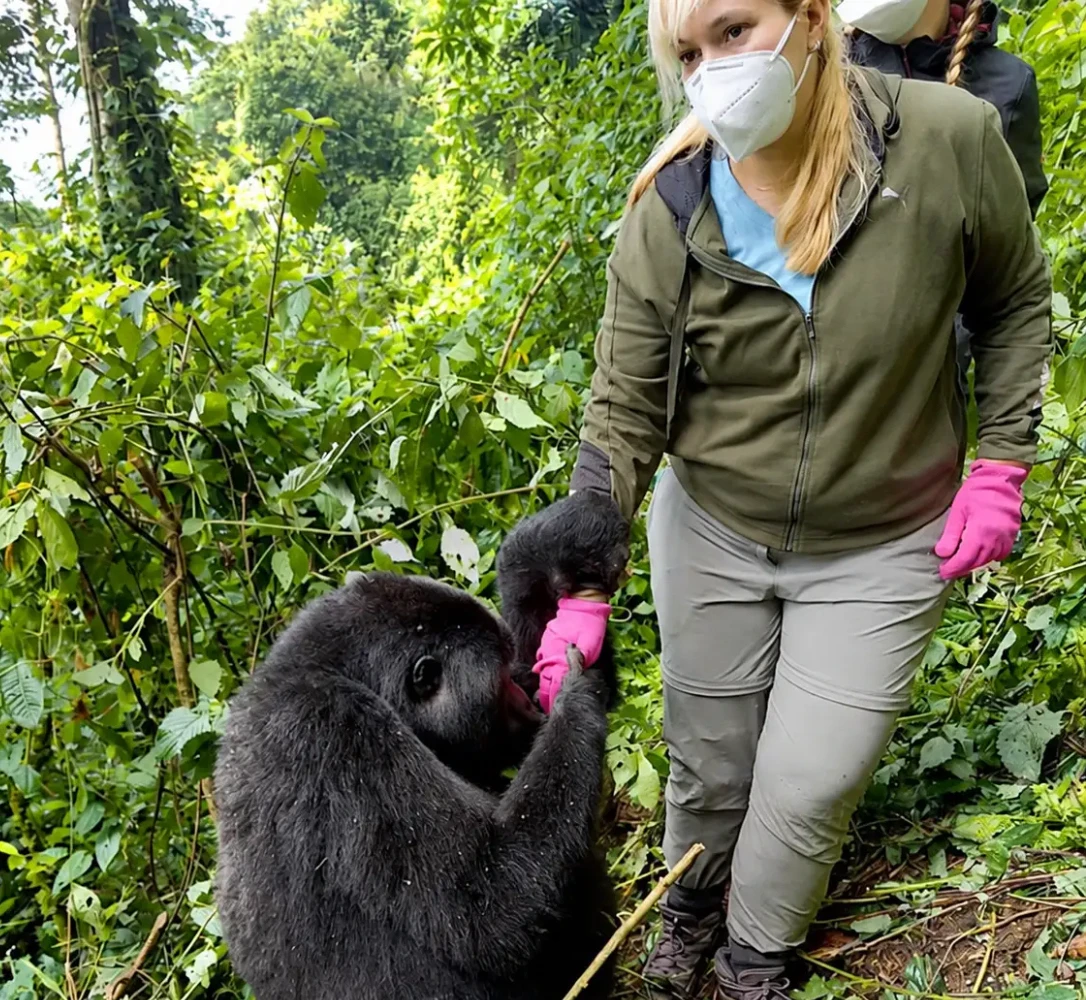
Mountain gorillas share considerable biological similarities with humans and are particularly vulnerable to respiratory infections. Visitors must never deliberately approach, touch, feed, or attempt to interact physically with the gorillas. Occasionally, a curious juvenile or another family member may approach the trekking group unexpectedly. In such situations, travelers should remain calm, avoid sudden movements, and follow instructions from their ranger guides rather than attempting to touch or photograph the animal at extremely close range.
6. Health and Infectious Disease Restrictions
Protecting mountain gorillas from human diseases is a central purpose of the Uganda Gorilla Trekking Permit Rules and Regulations. Visitors suffering from colds, influenza-like symptoms, or other infectious illnesses must not participate in gorilla visits while infectious. Even common human respiratory infections can present serious risks to these endangered primates.
Travelers who become unwell shortly before their trekking date should promptly inform their safari operator or Uganda Wildlife Authority representatives. Any options regarding rescheduling or permit adjustments depend on the applicable official policies and should never be assumed.
Visitors must also follow the ranger’s hygiene instructions. If coughing or sneezing occurs unexpectedly, travelers should cover their faces and turn away from the gorillas. Additional health precautions may be communicated during the mandatory briefing.
7. Gorilla Photography Rules and Restrictions
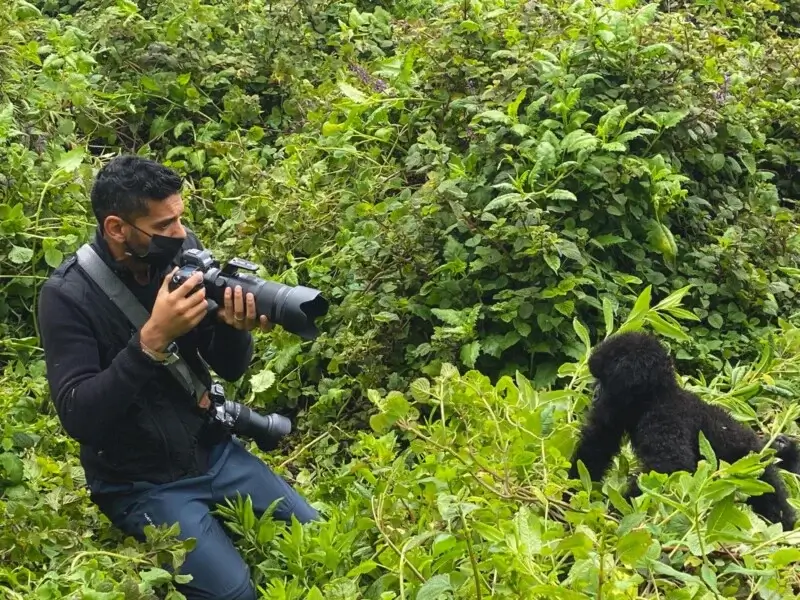
Photography is permitted during standard gorilla trekking encounters, but the Uganda Gorilla Trekking Permit Rules and Regulations strictly prohibit flash photography. Sudden flashes can disturb wildlife and create unnecessary stress during encounters. Travelers should therefore disable their camera flashes before entering the gorillas’ viewing area.
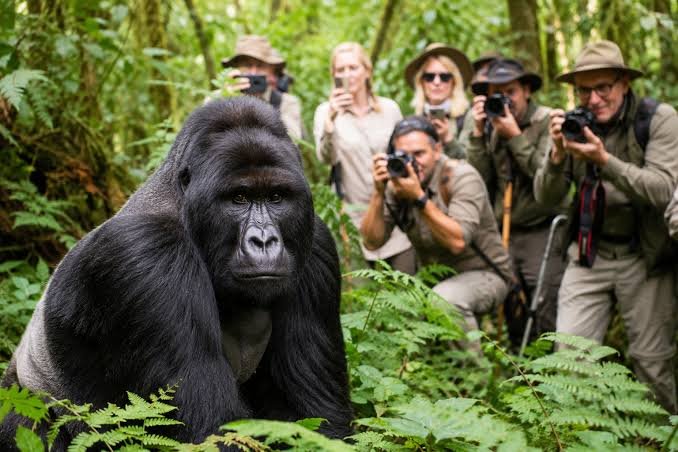
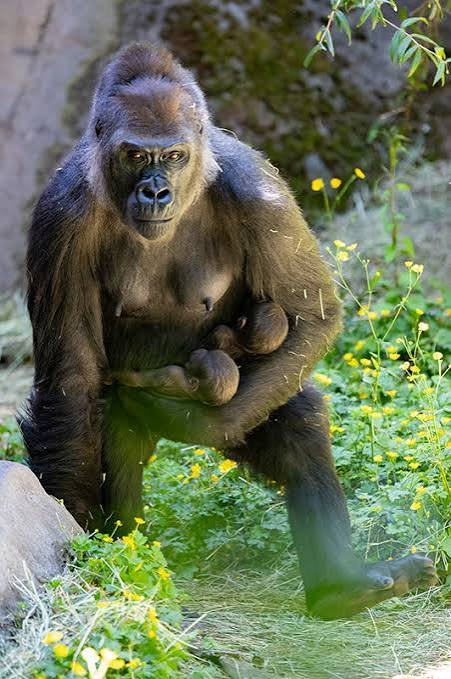
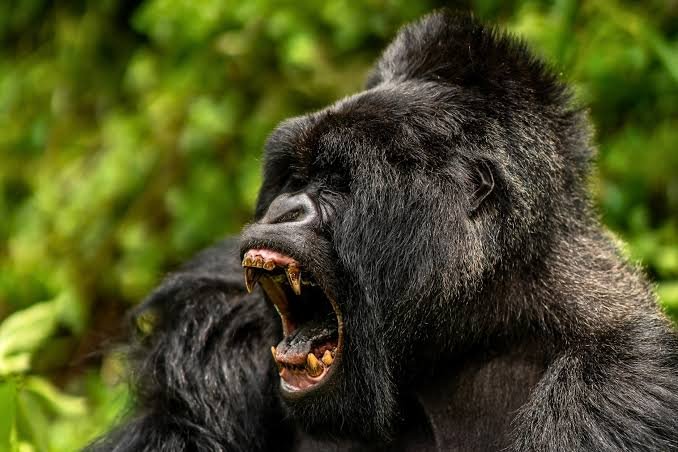
Photographers should remain within the designated trekking group and avoid moving closer to mountain gorillas to obtain better pictures. Cameras, smartphones, and suitable zoom lenses can capture remarkable wildlife photographs without violating conservation requirements. Visitors must also avoid loud camera equipment, unnecessary movement, and behavior that interferes with other participants. Professional filming and specialized equipment may require separate authorization from the relevant authorities.
8. Eating, Drinking, Smoking, and Forest Cleanliness
The Uganda Gorilla Trekking Permit Rules and Regulations prohibit eating, drinking, and smoking during gorilla encounters. Food particles, discarded packaging, and cigarette waste can contaminate the animals’ environment and introduce unnecessary health risks.
Visitors should carry sufficient drinking water and suitable refreshments for the physical trek but consume them only when the ranger permits a break away from the gorillas. Littering anywhere inside the national park is prohibited. Every visitor is responsible for carrying personal waste out of the forest and preserving the surrounding environment.
Where human waste disposal becomes necessary during a trek, Uganda Wildlife Authority rules require appropriate burial at a depth of approximately 30 centimeters, under ranger guidance. These precautions help protect delicate rainforest ecosystems.
9. Follow Uganda Wildlife Authority Ranger Instructions
Following professional ranger instructions is a compulsory element of the Uganda Gorilla Trekking Permit Rules and Regulations. Before entering the forest, visitors participate in an official briefing covering safety procedures, gorilla behavior, permitted activities, and conservation responsibilities.
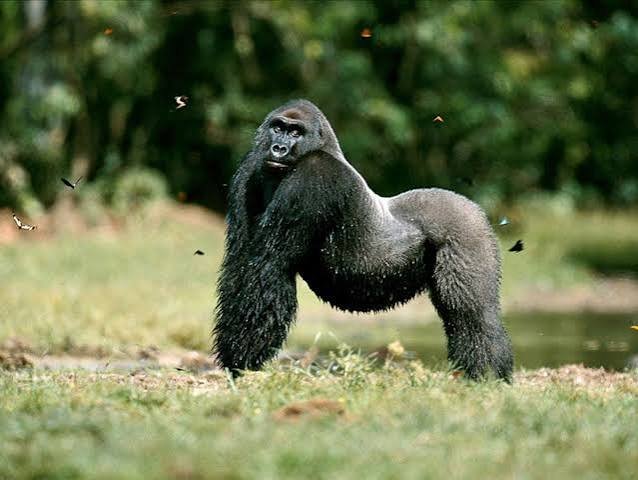
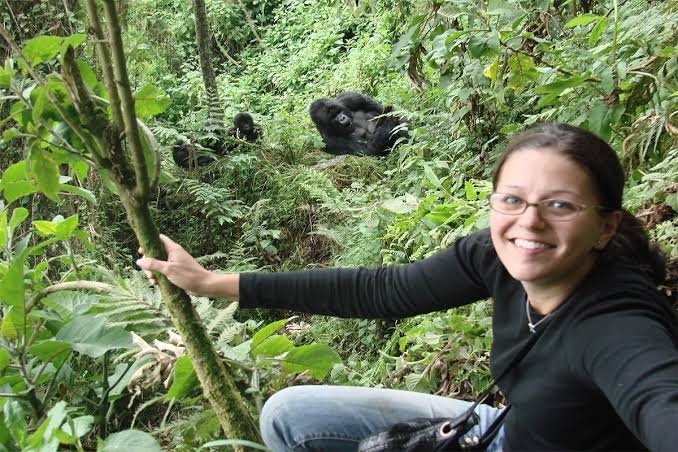
During the trek, visitors must remain with their assigned group and avoid wandering independently into the forest. Mountain gorillas are generally peaceful when treated respectfully, but they remain powerful wild animals. If a silverback displays signs of agitation, visitors should avoid running, shouting, or making threatening gestures and instead follow their guide’s directions immediately.
Professional rangers understand mountain gorilla behavior and are responsible for managing encounters in ways that protect visitors and wildlife.
10. Permit Dates, Trekking Locations, and Reservation Changes
Another essential consideration within the Uganda Gorilla Trekking Permit Rules and Regulations concerns the validity of confirmed reservations. Gorilla trekking permits are issued for designated dates and entry points, and travelers should not assume they can change their trekking destination or travel date without official approval.
Bwindi Impenetrable National Park has four principal trekking sectors: Buhoma, Ruhija, Rushaga, and Nkuringo. Mgahinga Gorilla National Park provides an additional trekking destination in southwestern Uganda. Visitors should confirm their allocated entry point before booking nearby accommodation because transferring between different locations can require considerable travel time.
Any permit rescheduling, cancellation, or adjustment remains subject to Uganda Wildlife Authority procedures and applicable charges. Promotional permits may carry additional restrictions.
11. Responsible Gorilla Trekking and Conservation
The Uganda Gorilla Trekking Permit Rules and Regulations serve a much greater purpose than simply controlling tourism activities. These conservation measures help preserve the endangered mountain gorilla population while supporting habitat protection, professional wildlife monitoring, and community participation in conservation.
By limiting visitor numbers, enforcing health precautions, and regulating human interactions, the Uganda Wildlife Authority helps reduce the pressures associated with wildlife tourism. Gorilla trekking revenue also contributes to conservation management and community-related initiatives around protected areas.
Every visitor plays a meaningful role in these efforts by respecting wildlife, following official instructions, and supporting responsible tourism practices.
Book Your Uganda Gorilla Trekking Permit and Travel Responsibly
Understanding the Uganda Gorilla Trekking Permit Rules and Regulations is the foundation of a safe, responsible, and unforgettable gorilla trekking safari. From securing the correct permit and satisfying the minimum age requirement to observing the one-hour viewing restriction and maintaining a safe distance, every regulation helps protect the mountain gorillas that make Uganda such an exceptional wildlife destination.
Whether you plan to explore Bwindi Impenetrable National Park or Mgahinga Gorilla National Park, careful preparation and respect for conservation guidelines will help you make the most of your experience.
Contact our safari reservations team to check Uganda gorilla permit availability, receive booking assistance, and plan a professionally organized gorilla trekking safari that respects Uganda’s wildlife conservation regulations.